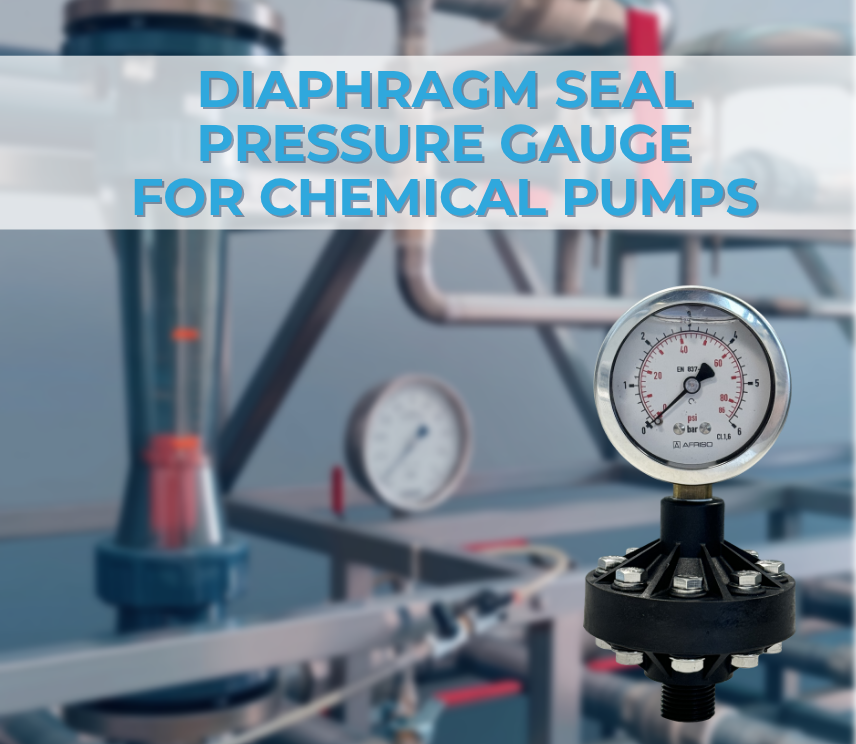
When handling aggressive and corrosive fluids, pressure gauges are not simple accessories, but true guardians of the pump’s safety.
By constantly monitoring pressure, they allow for the timely detection of anomalies in the pump functioning such as cavitation, clogging, or overload, preventing catastrophic pump failures.
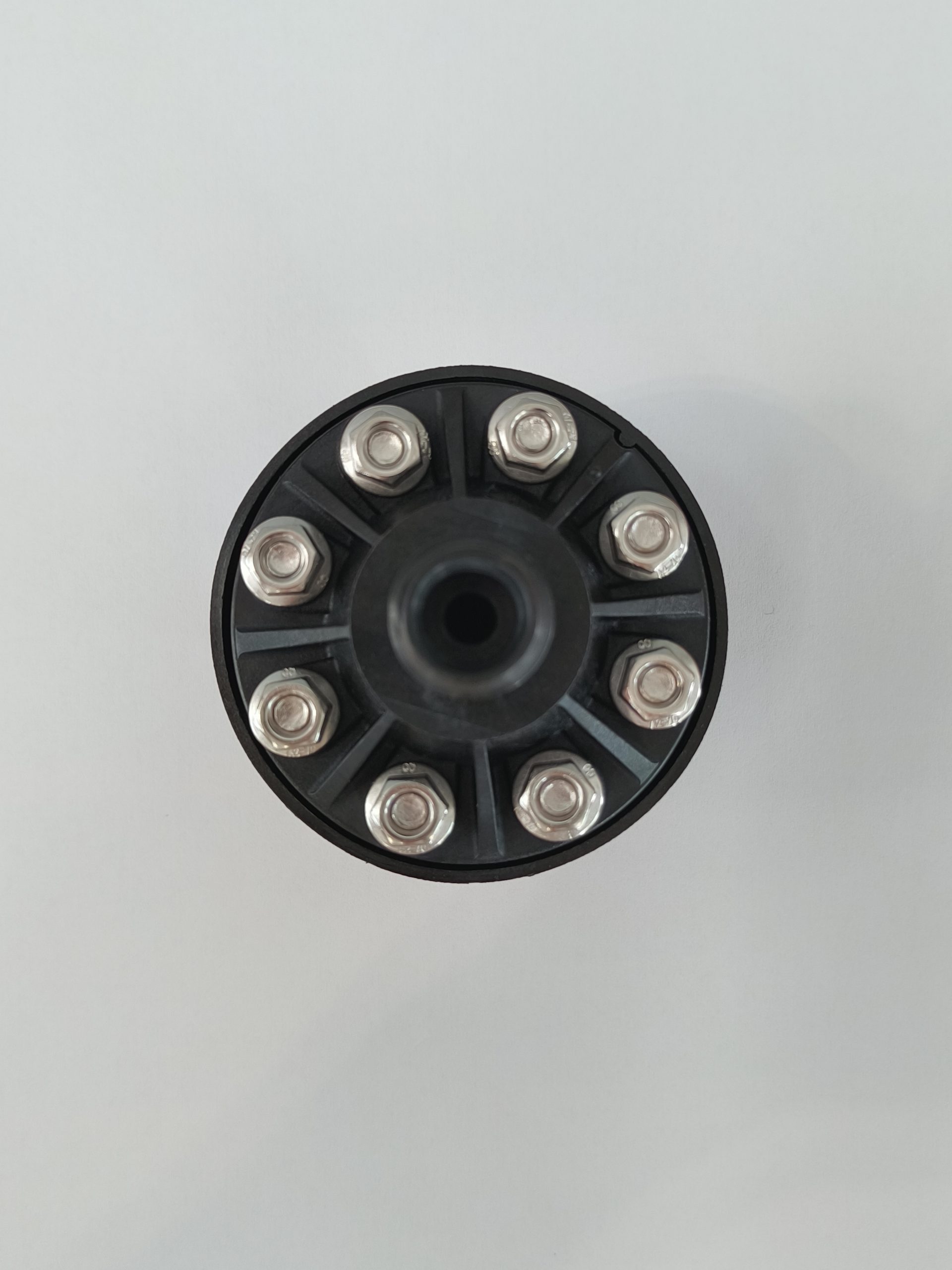
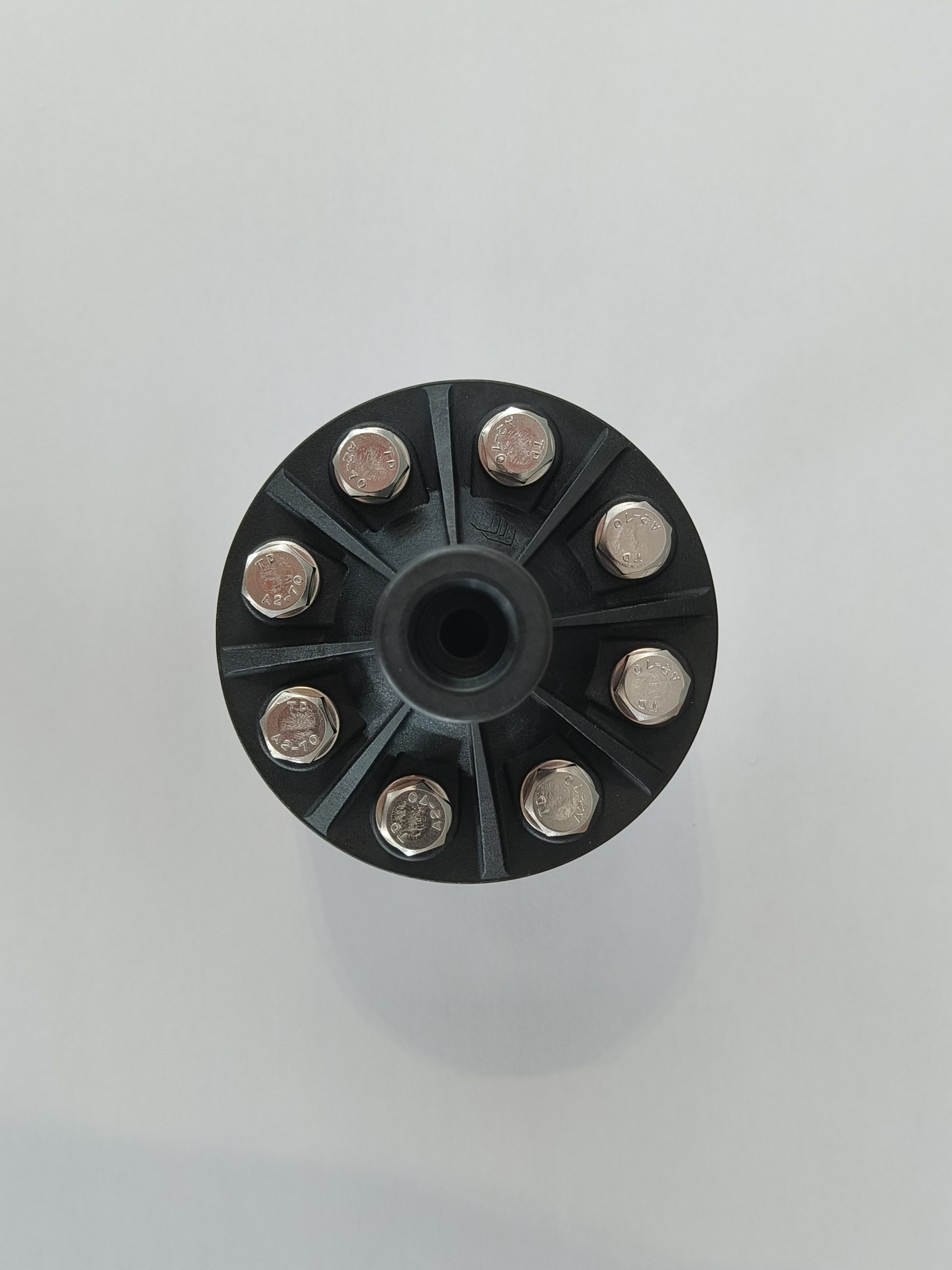
For this reason, the use of pressure gauges equipped with diaphragm seals made of chemically resistant materials – such as polypropylene (PP) and PVDF – is essential to isolate the instrument from the process fluid, ensuring maximum accuracy and durability over time.
How does a pressure gauge with a diaphragm seal work?
The solutions offered by GemmeCotti are specifically designed to withstand severe operating conditions: these are hermetic systems, pre-filled with a transmission liquid (glycerin), which protect the internal mechanics thanks to the separation diaphragm, ensuring a safe and accurate pressure reading at all times.
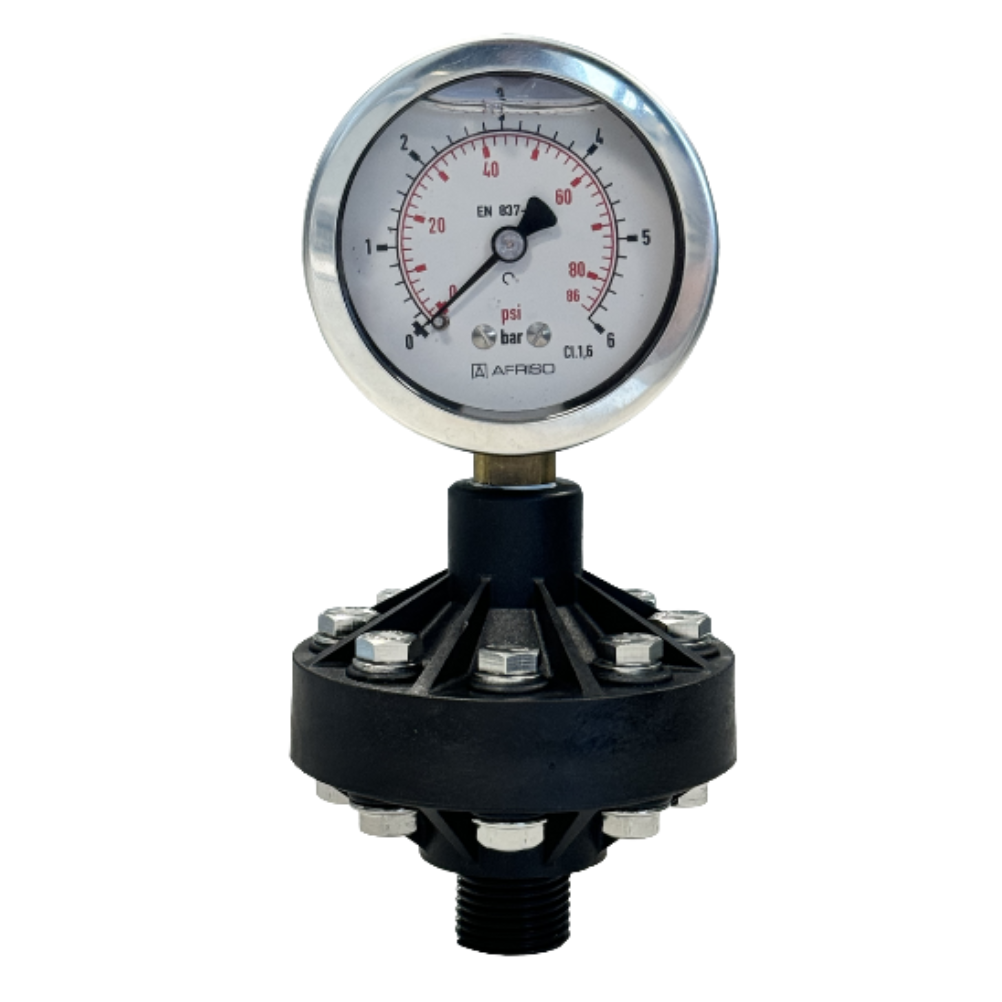
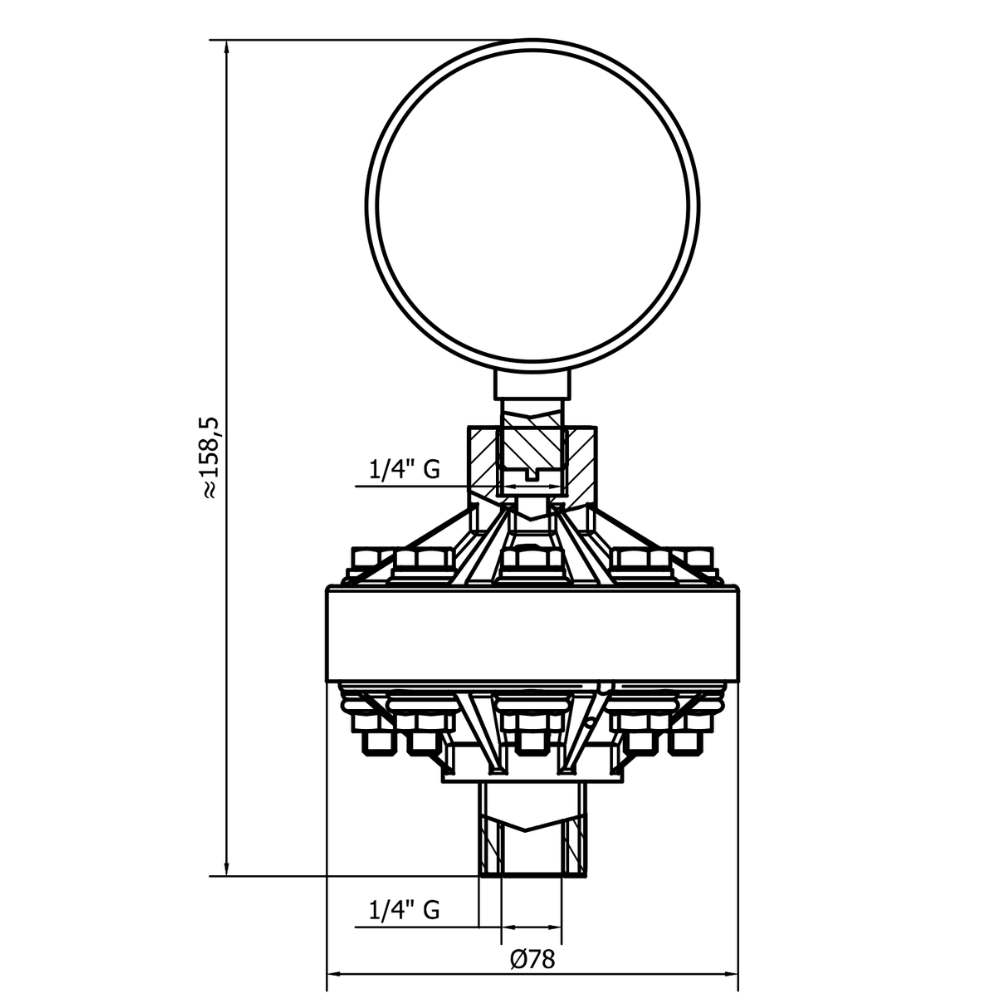
Guide to diaphragm seal materials: when to choose PP or PVDF?
To adapt to different operating conditions and types of chemical agents, the diaphragm seals are available in two main materials:
- Polypropylene (PP): Offers good chemical resistance to numerous substances, making it the most versatile and cost-effective solution for general industrial applications with moderate temperatures (up to approximately 60-70°C).
- PVDF (polyvinylidene fluoride): Ensures exceptional chemical and thermal resistance, ideal for highly corrosive fluids, strong acids, solvents, and temperatures up to 90°C.
The choice of material for the diaphragm seal body is strictly related to the fluid pumped by the system.
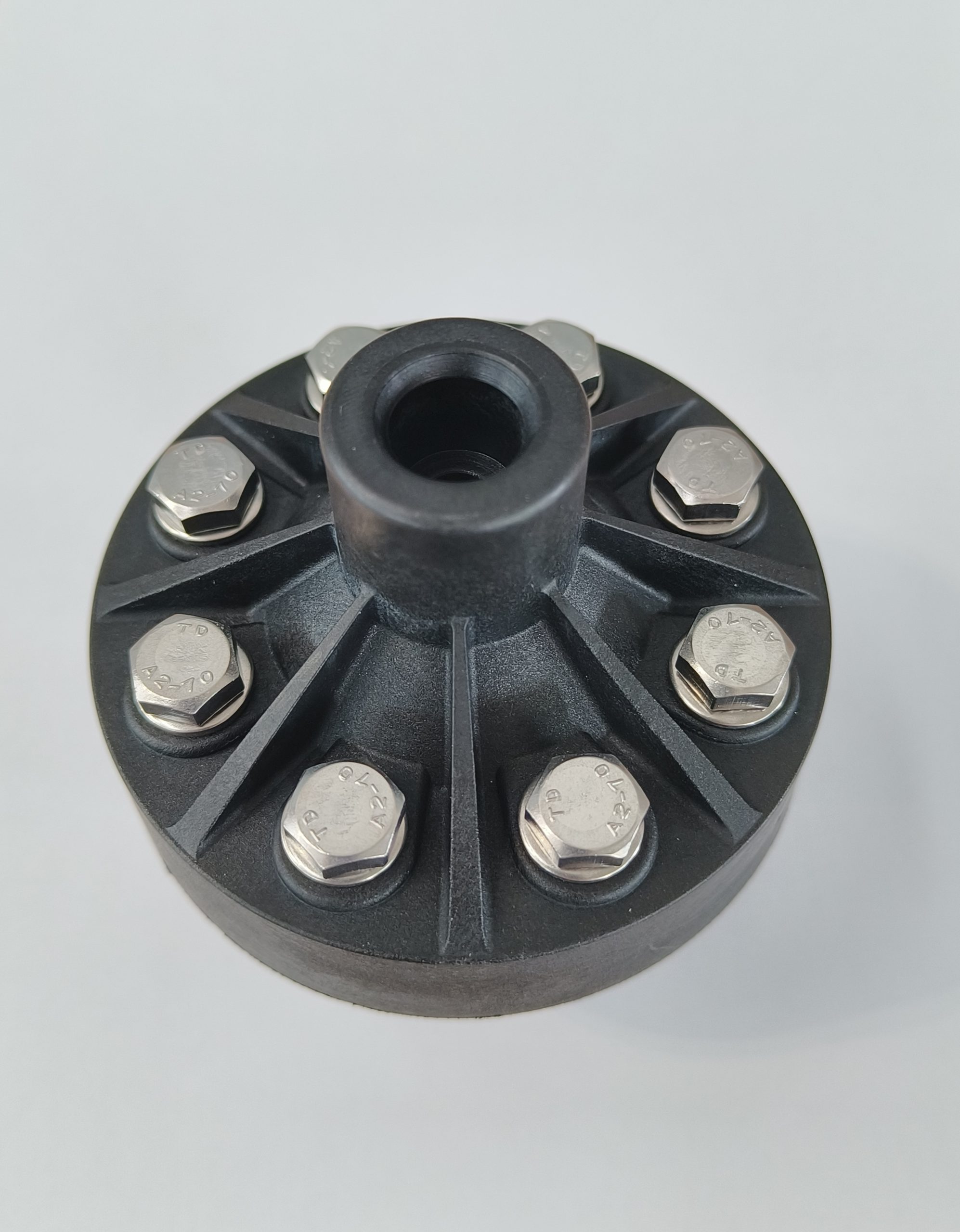
Chemical compatibility table
Liquids compatible with PP include: acetic acid 60%, phosphoric acid, seawater, ferric chloride, citric acid, ethyl alcohol, liquid ammonia, sodium hydroxide (caustic soda, at low concentrations and temperatures), detergents, sodium bisulfite, and many others.
Liquids compatible with PVDF include: acetic acid 20%, ethyl alcohol, zinc chloride, formaldehyde, hydrochloric acid, nitric acid (up to certain concentrations), hydrogen peroxide, sulfuric acid 98%, methyl alcohol, and potassium hydroxide.
You can verify the correct combinations directly in our chemical compatibility table.
Measuring ranges and available configurations:
GemmeCotti diaphragm pressure gauges are designed to cover the main pressure monitoring needs in industrial pumping circuits. The range is structured into four standard configurations based on the required pressure scale:
- Pressure gauge with scale 0 – 2.5 bar
- Pressure gauge with scale 0 – 6 bar
- Pressure gauge with scale 0 – 10 bar
- Pressure gauge with scale 0 – 16 bar
*Also available in double scale bar/psi.
Each of these measuring ranges (from 2.5 to 16 bar) can be paired indistinctly with a PP or PVDF fluid seal. This flexibility allows engineers and plant managers to configure the perfect combination between pressure range and chemical compatibility, accurately responding to every specific application need.
Diaphragm seal pressure gauges and all other recommended accessories are available for purchase directly on our shop.
Do you want to secure your chemical pumping system? Contact the GemmeCotti technical department: info@gemmecotti.com
FAQ:
1.Why use diaphragm seals for pressure gauges?
The diaphragm seal serves as a physical protective barrier between the process fluid (often acidic, aggressive, or viscous) and the internal mechanics of the pressure gauge. It isolates the measuring mechanism by transferring pressure via an inert fill liquid, preventing the fluid from corroding the instrument and ensuring accurate measurement over time.
2.What is the main difference between a PP seal and a PVDF seal?
The difference lies in thermal and chemical resistance:
- PP (Polypropylene): It is a versatile and cost-effective choice, suitable for general industrial applications with moderate chemical concentrations and temperatures up to approximately 60–70 °C. (e.g., Acetone, AdBlue, phosphoric acid, citric acid, sodium hydroxide…)
- PVDF (Polyvinylidene fluoride): Offers superior performance with solvents and highly aggressive chemical fluids, withstanding higher operating temperatures (up to 90 °C). (e.g., acetic acid, ethyl alcohol, formaldehyde, hydrochloric acid, sulfuric acid 98%…)
3.How does fluid temperature affect the choice between PP and PVDF?
Temperature is a critical factor for engineering plastics:
- Up to 60–70 °C, PP maintains good mechanical properties and chemical resistance.
- Above 70 °C and up to 90 °C, PVDF is essential to prevent structural deformation or premature degradation of the diaphragm.
4. What are the risks of installing a pressure gauge without a suitable seal on an acid transfer system?
The absence of a suitable seal exposes the internal metallic components of the pressure gauge to direct contact with the aggressive fluid. This quickly leads to corrosion, loss of calibration, blocked readings, and potential leaks of hazardous substances, compromising operator safety and the health of the entire plant.